
Common Recurring Dream Themes and What They Mean
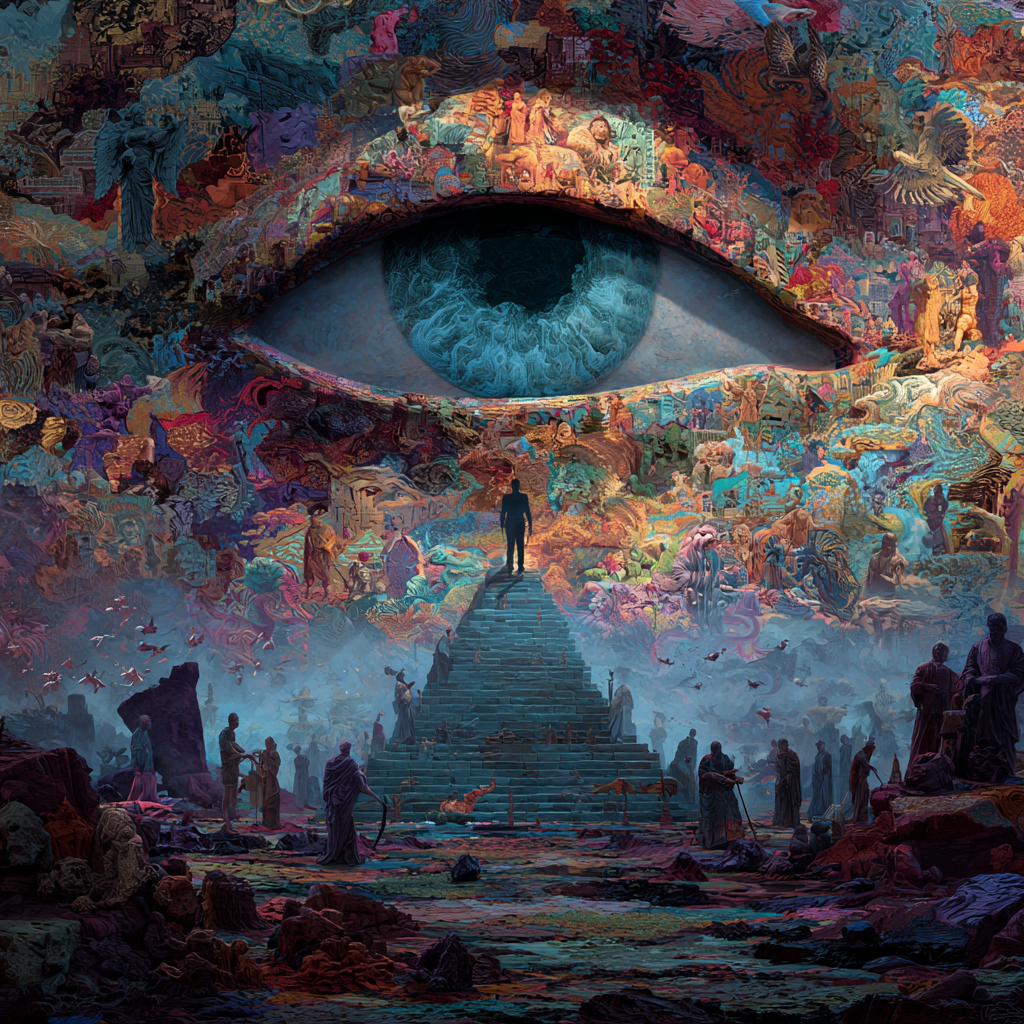
While every dream is personal, many recurring dreams follow archetypal patterns. Here are some of the most common themes and what they often signify.
1. Returning to the Same Childhood Home
Often points to early emotional patterns, family dynamics, formative wounds or memories, or aspects of the inner child needing attention.
Rooms you’ve never seen before often symbolize unexplored parts of the psyche.
2. Being Chased
Can reflect buried fear, avoidance of emotion, running from a part of yourself, or anxiety.
The pursuer often represents something internal, not external.
3. Falling
A signal of loss of control, fear of failure, instability in life, or inability to “hold on.”
Often appears during major life transitions.
4. Teeth Falling Out
Symbolizes fear around communication, loss of confidence, concerns about appearance or identity, or feeling powerless.
This is one of the most common dreams during stressful life periods.
5. Being Unprepared (exams, performances, deadlines)
Points to perfectionism, fear of failure, self-doubt, internalized pressure, or unresolved feelings about school or authority.
Your psyche is trying to balance unrealistic expectations.
6. Relationship or Ex-Partner Dreams
Often reflect old attachment patterns, unresolved emotions, unmet needs, or ways you lose yourself in relationships.
These rarely mean you should go back — instead, they show what the relationship awakened in you.
Why the Dream Stops… or Changes
Once the underlying issue begins to shift, the recurring dream often transforms. You may notice:
- A new setting
- A new emotional tone
- A different outcome
- A moment of empowerment
- The chase stops
- The house becomes brighter
- You find a new room
- The threat disappears
This is a sign of psychological integration. The unconscious no longer needs to repeat the message.
How to Start Interpreting Your Own Recurring Dreams
Here are the best starting questions:
1. What emotion did I feel in the dream?
Understanding the emotion felt in a dream is often the key to understanding its meaning.
2. When did I first have this dream?
Look at what was happening in your life at that time.
3. What life pattern does this dream mirror?
Notice repeating real-world themes.
4. What might this dream be asking me to face?
Shadow work is about turning toward the avoided.
5. How has the dream changed over time?
Even slight changes reveal psychological movement.
How ShadowCompass Helps You Decode Recurring Dreams
Recurring dreams aren’t always obvious—sometimes the theme repeats, but the symbols differ.
ShadowCompass helps by:
- Highlighting recurring symbols across many dreams
- Tracking themes over time in your personal symbol library
- Detecting recurring symbols
- Breaking dreams into scenes so recurring motifs stand out
This turns your entire dream history into a map of your unconscious, helping you trace how certain patterns form, repeat, and eventually resolve.
Recurring dreams are messages with persistence — they come back until they are understood, integrated, and no longer needed.